NVR vs DVR: What's the Difference?
NVRs record IP cameras over network cable; DVRs and XVRs record analogue cameras over coax. Here's how to choose.
By Nexgate CCTV · · Updated
Every CCTV system needs a recorder. The type you need depends on the cameras you choose.
NVR — Network Video Recorder
An NVR records IP cameras. Each camera connects with network cable (usually Cat6), and with PoE the same cable carries power. NVRs are flexible: cameras can be anywhere on the network, and systems expand easily.
DVR — Digital Video Recorder
A DVR records analogue HD cameras connected with coaxial cable. The camera sends an analogue signal and the DVR digitises it. DVRs are often used when upgrading older systems because existing coax can be reused.
XVR — the hybrid option
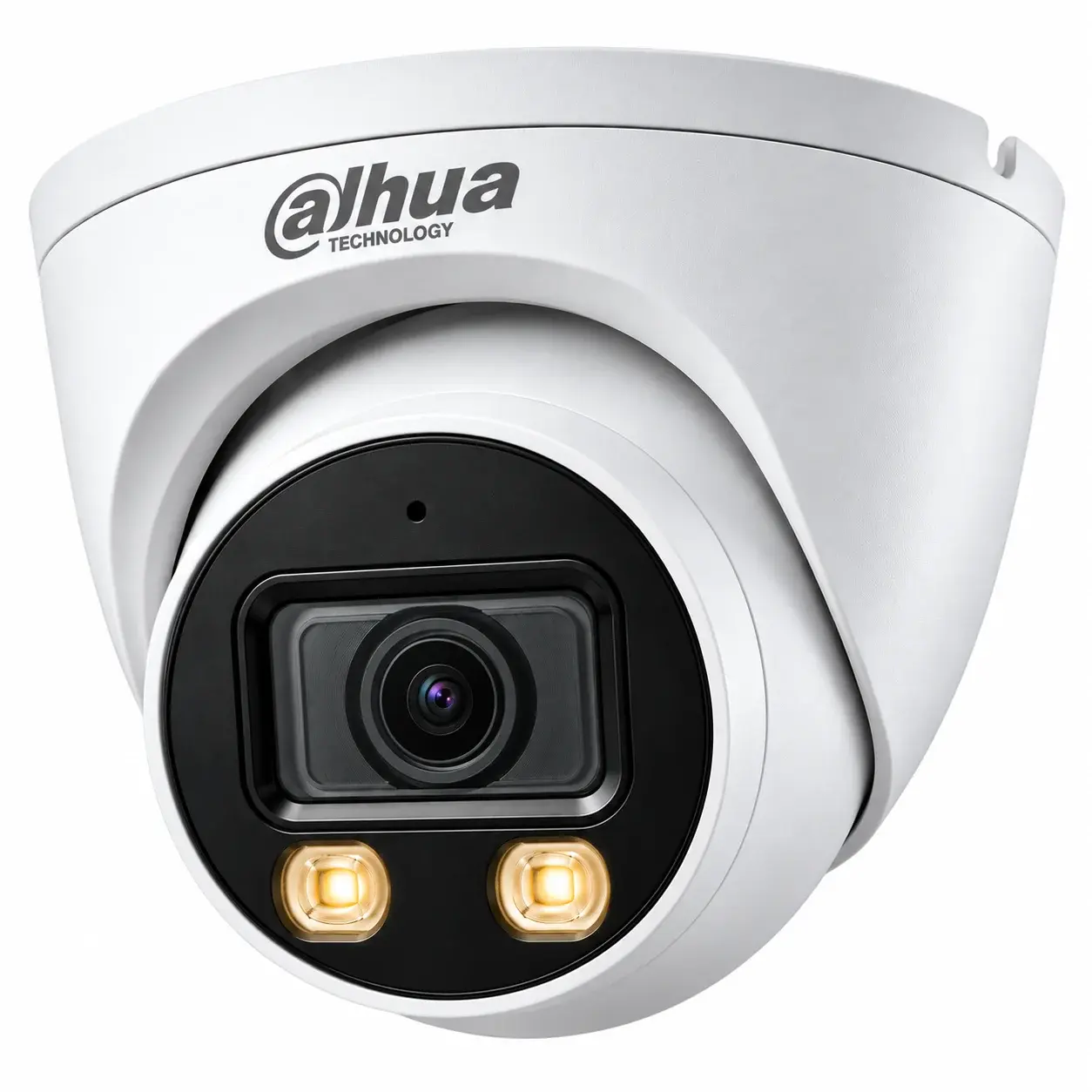
An XVR (a term commonly used by Dahua) accepts several analogue formats and usually some IP cameras as well. It's useful when mixing new and existing cameras.
Which should you choose?
| Situation | Usually best |
|---|---|
| New installation, flexibility a priority | NVR with IP cameras |
| Replacing old analogue cameras on existing coax | DVR or XVR |
| Mix of old analogue and new IP cameras | XVR / hybrid recorder |
| Large or multi-building site | NVR, often with network design |
Channels and storage
Recorders are sold by channel count — the number of cameras they can record. Choose a little more capacity than you need today so you can add cameras later, and check how many hard-drive bays it has for storage.
nvrdvrxvrrecorders
Need help choosing?
Get a recommendation or a quotation for your property.